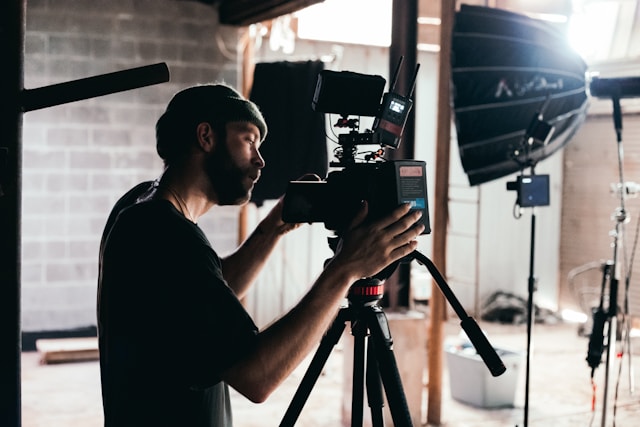
Multi-camera shoots are standard in event coverage, live broadcasts, and complex narrative scenes, offering dynamic perspectives and continuous action. However, managing multiple cameras simultaneously requires meticulous planning and coordination. Here are essential tips to ensure your multi-camera shoot runs smoothly.
1. Pre-Production Planning
Effective pre-production planning is the backbone of a successful multi-camera shoot. Begin by defining the scope and objectives of your project. Consider the number of cameras you will need and their placements based on what you need to capture. This phase should include detailed discussions about the roles of each crew member, equipment lists, and a shooting schedule. Ensure everyone involved understands their responsibilities and the overall vision of the project.
2. Camera and Equipment Selection
Selecting the right cameras and equipment is vital for a consistent and professional outcome. Ensure all cameras are compatible regarding resolution, color science, and file formats to simplify post-production processes. Using cameras from the same manufacturer or ones tested together is advisable. Additionally, consider the necessary support gear like tripods, monitors, and communication headsets.
3. Coordination and Communication
Coordination among camera operators and the rest of the crew is crucial. Utilize communication tools such as walkie-talkies or intercom systems to give real-time directions and feedback. Establish clear communication protocols and signals to prevent confusion and ensure everyone can execute their roles effectively during the shoot.
4. Rehearsals
Rehearsing is an often overlooked but critical aspect of multi-camera production. Conduct thorough rehearsals to work out logistical kinks and ensure all camera operators know their movements and timing. This practice helps identify potential lighting, sound, and framing issues before shooting begins.
5. Monitoring and Directing
On the shoot day, monitoring all camera feeds simultaneously is critical. Use a multi-view monitor setup that lets the director see every camera’s output in real time. This setup enables quick decisions about switching angles and directing camera operators to capture the best possible footage.
6. Synchronization and Timecoding
To maintain synchronization across all cameras, use a standard timecode. This makes it easier to align footage during editing, ensuring a seamless flow between shots. Timecoding is especially important when recording events that require precise timing and coordination between shots.
7. Post-Production Workflow
Develop a streamlined post-production workflow to handle the large volumes of footage generated. This includes organizing clips, syncing them using the established timecode, and creating a rough cut that aligns with your initial vision. Efficient collaboration with editors and colorists to maintain consistency across all feeds is essential for the polished final product.
Make Your Next Shoot a Success!
Executing a flawless multi-camera shoot demands thorough planning, the right equipment, and cohesive teamwork. By following these tips, you’ll be well-equipped to handle the complexities of multi-camera filming and achieve professional results. Ready to elevate your video production skills? Start planning your next multi-camera shoot today and watch your projects transform!